What Makes a Screenplay Work? The Decisions Nobody Sees

Session Overview

Join acclaimed screenwriter and dialogue writer Karan Vyas for a Live Cininfo session where he deep dives into the creative decisions that make a screenplay work. From character and structure to scenes, conflict and dialogue, the session will explore the craft choices that often go unseen but shape the story we ultimately see on screen.

Event Details:

  • Date: 15th August 2026
  • Time: 12:00 PM IST
  • Venue: Zoom

What This Session Will Cover:

  • Finding the Story: Turning everyday observations, ideas and experiences into compelling screen stories
  • Building Characters That Live: Creating layered, memorable characters with wants, conflicts and emotional journeys
  • ⁠Writing Dialogue That Feels Real: Finding the voice, rhythm and subtext that make conversations come alive
  • From Idea to Screenplay: Structuring and developing a story into a screenplay that holds the audience’s attention

Subscribe today to learn from one of India’s most incisive storytellers as he unpacks the craft, responsibility, and emotional intelligence required to tell stories rooted in reality.

FREE for Cininfo Community Members!

For more information please WhatsApp or call us on +91 9009004762 or DM us on Instagram @cininfo4talent

Speaker: Karan Vyas

Designation: Writer

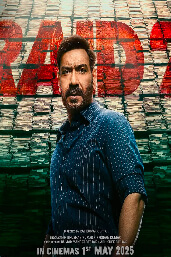
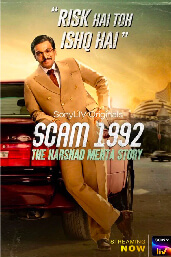
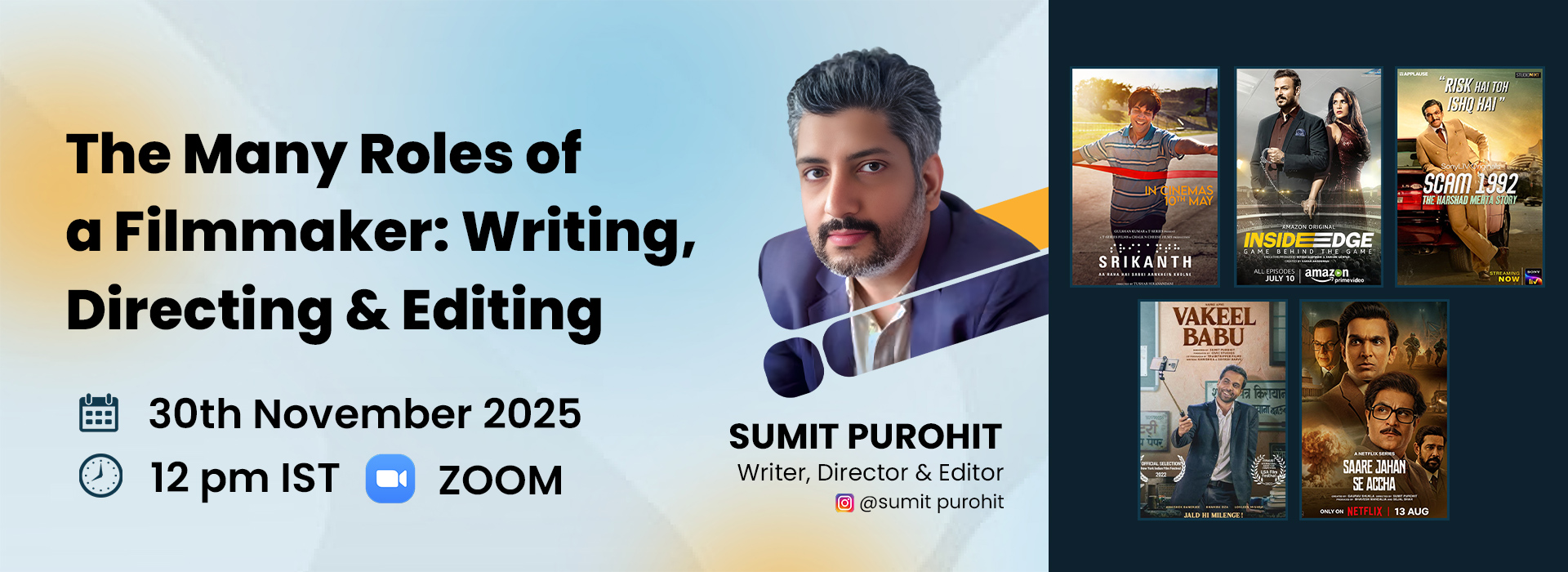
Karan Vyas is an acclaimed screenwriter and dialogue writer known for his authentic storytelling, emotional depth, and memorable characters. He is best known for his work on the critically acclaimed Scam 1992: The Harshad Mehta Story and Made in India: The Titan Story. His writing credits also include acclaimed series such as Scam 2003: The Telgi Story, Scoop, and Saas, Bahu Aur Flamingo, along with films like the National Award-winning Wrong Side Raju, Made in China, and Raid 2. His upcoming projects include Gandhi, Scam 2010, and the feature film Dilkashi.

Past Sessions

Please fill out the form and submit the following materials for Web Series:

  • 1. Project Name
  • 2. Genre
  • 3. Logline (upto 50 words)
  • 4. Short Synopsis (100-150 words)
  • 5. Long story synopsis / pitch deck (Upload min. 6 to max. 10 pages)
  • 6. Writer’s Statement / Director’s Approach Note (100-150 words)
  • 7. ⁠Character Arc:
    Primary & Secondary - 500 – 1000 word character sketch explaining your main characters only
  • 8. Vision Statement (500 words limit)
  • 9. Episodic breakdown – 1 paragraph on each episode
  • 10. ⁠Treatment Note

Please fill out the form and submit the following materials for Feature Length Film:

  • 1. Project Name
  • 2. Genre
  • 3. Logline (upto 50 words)
  • 4. Short Synopsis (100-150 words)
  • 5. Long story synopsis / pitch deck (Upload min. 6 to max. 10 pages)
  • 6. Writer’s Statement / Director’s Approach Note (100-150 words)
  • 7. ⁠Character Arc:
    Primary & Secondary - 500 – 1000 word character sketch explaining your main characters only
  • 8. Vision Statement (500 words limit)

Please fill out the form and submit the following materials for Web Series:

  • 1. Logline (upto 50 words)
  • 2. Short Synopsis (100-150 words)
  • 3. Long story synopsis / pitch deck (Upload min. 6 to max. 10 pages)
  • 4. Writer’s Statement / Director’s Approach Note (100-150 words)
  • 5. ⁠Character Arc:
    Primary & Secondary - 500 – 1000 word character sketch explaining your main characters only
  • 6. Vision Statement (500 words limit)
  • 7. Episodic breakdown – 1 paragraph on each episode
  • 8. ⁠Treatment Note

Please fill out the form and submit the following materials for Feature Length Film:

  • 1. Logline (upto 50 words)
  • 2. Short Synopsis (100-150 words)
  • 3. Long story synopsis / pitch deck (Upload min. 6 to max. 10 pages)
  • 4. Writer’s Statement / Director’s Approach Note (100-150 words)
  • 5. ⁠Character Arc:
    Primary & Secondary - 500 – 1000 word character sketch explaining your main characters only
  • 6. Vision Statement (500 words limit)